Mattresses provide the primary sleep surface in a bed, combining cushioning and structural support to suit different comfort preferences and sleeping needs. Materials, construction, and firmness influence how a mattress feels and performs. Understanding these characteristics can help compare organic mattresses and choose bedding that works with pillows and the surrounding sleep environment.
Natural mattress materials may include wool, cotton, and latex, each serving a different purpose. Wool can add a cushioned surface and help regulate warmth, while cotton offers a breathable textile layer. Latex is used in some designs for responsive support. Material composition and layering affect comfort, durability, and suitability for individual sleepers.
The Savvy Rest Pastoral Wool Mattress is a natural-material option featuring wool as a key component of its comfort construction. Wool provides a resilient, cushioned feel and can help moderate temperature by managing moisture and warmth. Its material-focused design may be relevant to sleepers comparing wool mattresses with latex or conventional alternatives.
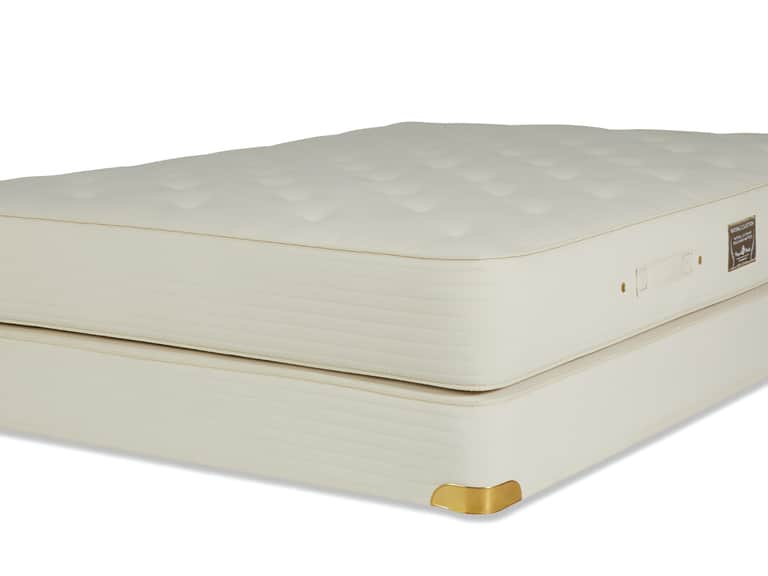
The Royal-Pedic Natural Cotton Mattress with Wool Wrap combines a cotton mattress construction with an outer wool layer. Cotton contributes a familiar, breathable foundation, while the wool wrap adds cushioning and temperature regulation. These features can help explain the mattress’s comfort profile and distinguish it among natural bedding options for varied sleep preferences.
When evaluating mattresses, consider firmness, body support, material sensitivities, and the bed’s intended setting. Natural-material designs may suit adults seeking alternatives to synthetic components, while nursery use calls for careful attention to age-appropriate sleep guidance and a firm, properly fitted surface. Coordinating mattresses with suitable pillows and bedding supports a consistent sleep setup.
 Mattresses